
Sustainable Architecture: Building for the Future


Introduction to Sustainable Architecture
Sustainable architecture is a transformative approach to designing buildings that prioritize environmental responsibility and resource efficiency. As concerns about climate change and resource depletion grow, architects and builders are increasingly adopting sustainable practices to create structures that minimize their ecological footprint. By focusing on renewable resources, energy efficiency, and eco-friendly materials, sustainable architecture paves the way for a more sustainable future.
Principles of Sustainable Design
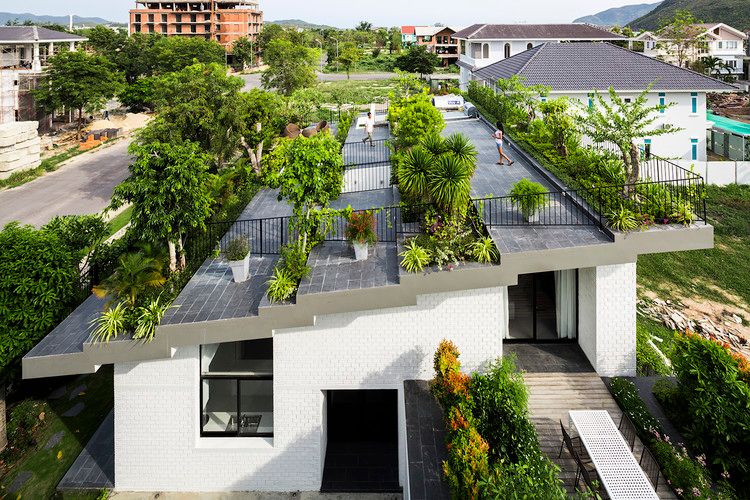
The core principles of sustainable architecture include energy efficiency, water conservation, and the use of sustainable materials. Energy efficiency is achieved through the integration of solar panels, energy-efficient windows, and smart heating and cooling systems. Water conservation is addressed by implementing rainwater harvesting systems and low-flow fixtures. The use of sustainable materials involves selecting products that are recycled, locally sourced, or have a low environmental impact.
Additionally, sustainable architecture emphasizes the importance of building orientation and design that maximizes natural light and ventilation. This not only reduces energy consumption but also enhances the comfort and well-being of the occupants.
Innovative Building Materials
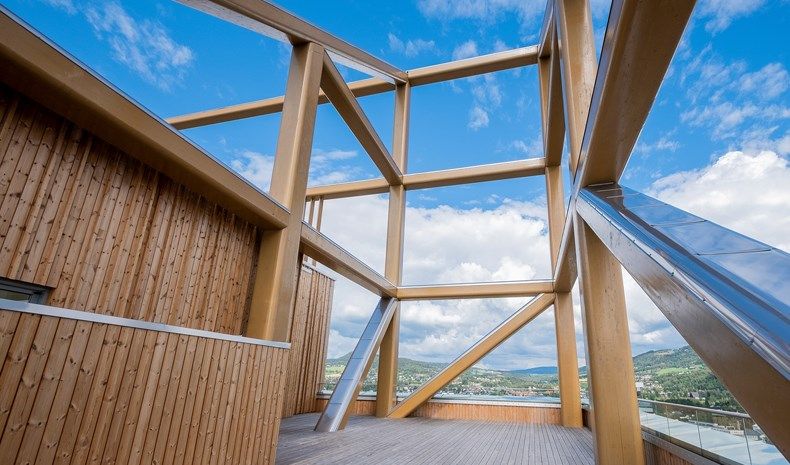
One of the key aspects of sustainable architecture is the use of innovative building materials. Materials like bamboo, reclaimed wood, and rammed earth are gaining popularity due to their low environmental impact and renewability. Bamboo is a fast-growing plant that provides a strong and flexible building material, while reclaimed wood gives old materials a new life, reducing the need for virgin resources.
Rammed earth, another eco-friendly material, is known for its excellent thermal properties and durability. These materials not only contribute to the sustainability of a building but also add unique aesthetic qualities that set them apart from traditional construction methods.
The Role of Technology in Sustainable Architecture
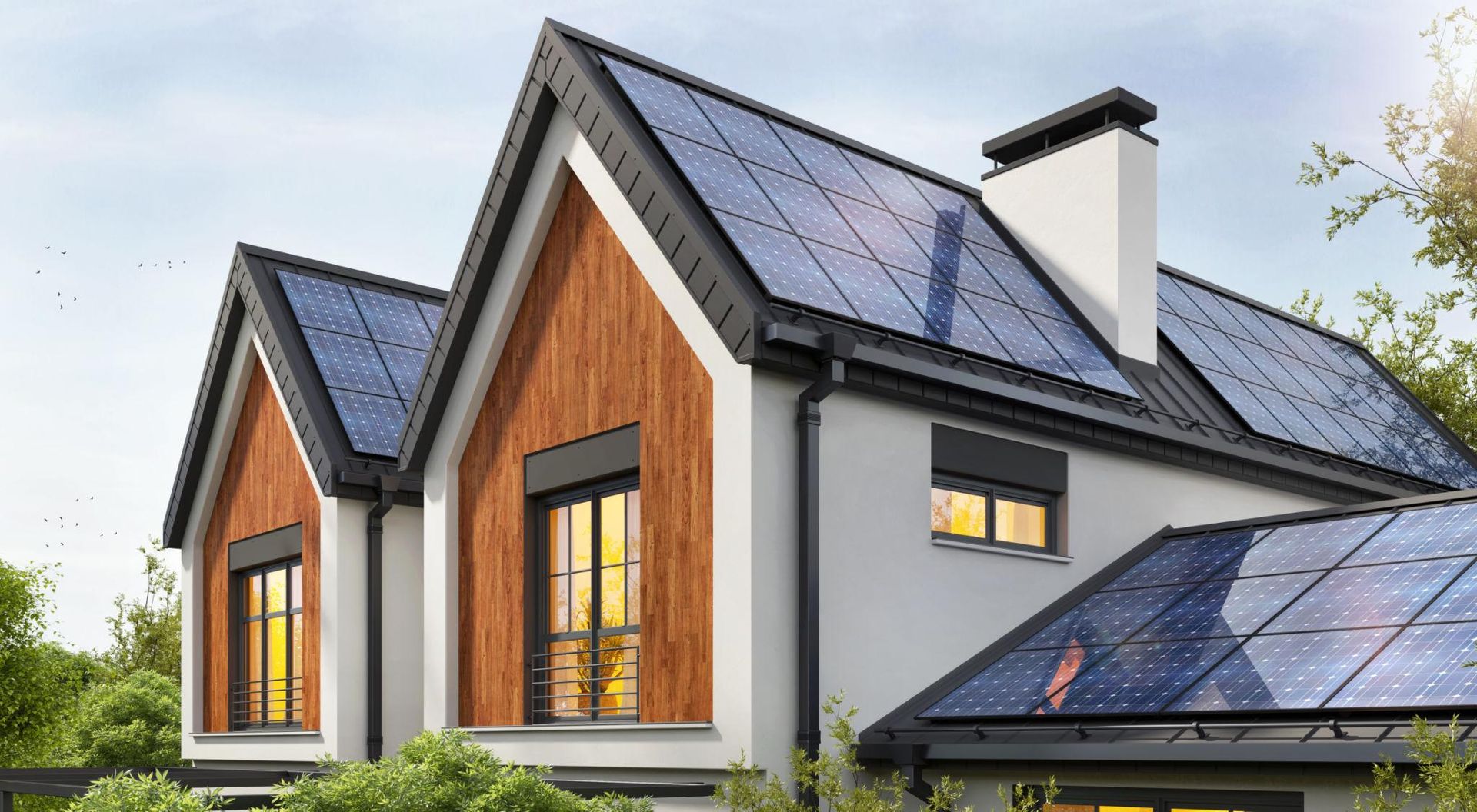
Technology plays a crucial role in advancing sustainable architecture. Smart home systems allow for the automation of energy and water use, optimizing consumption and reducing waste. Building Information Modeling (BIM) is another technological advancement that enables architects to design more efficient buildings by simulating performance and identifying potential issues before construction begins.
Moreover, advancements in renewable energy technologies, such as solar and wind power, have made it easier and more cost-effective to incorporate these solutions into building designs. This not only reduces reliance on fossil fuels but also decreases the overall carbon footprint of a building.
Benefits of Sustainable Architecture
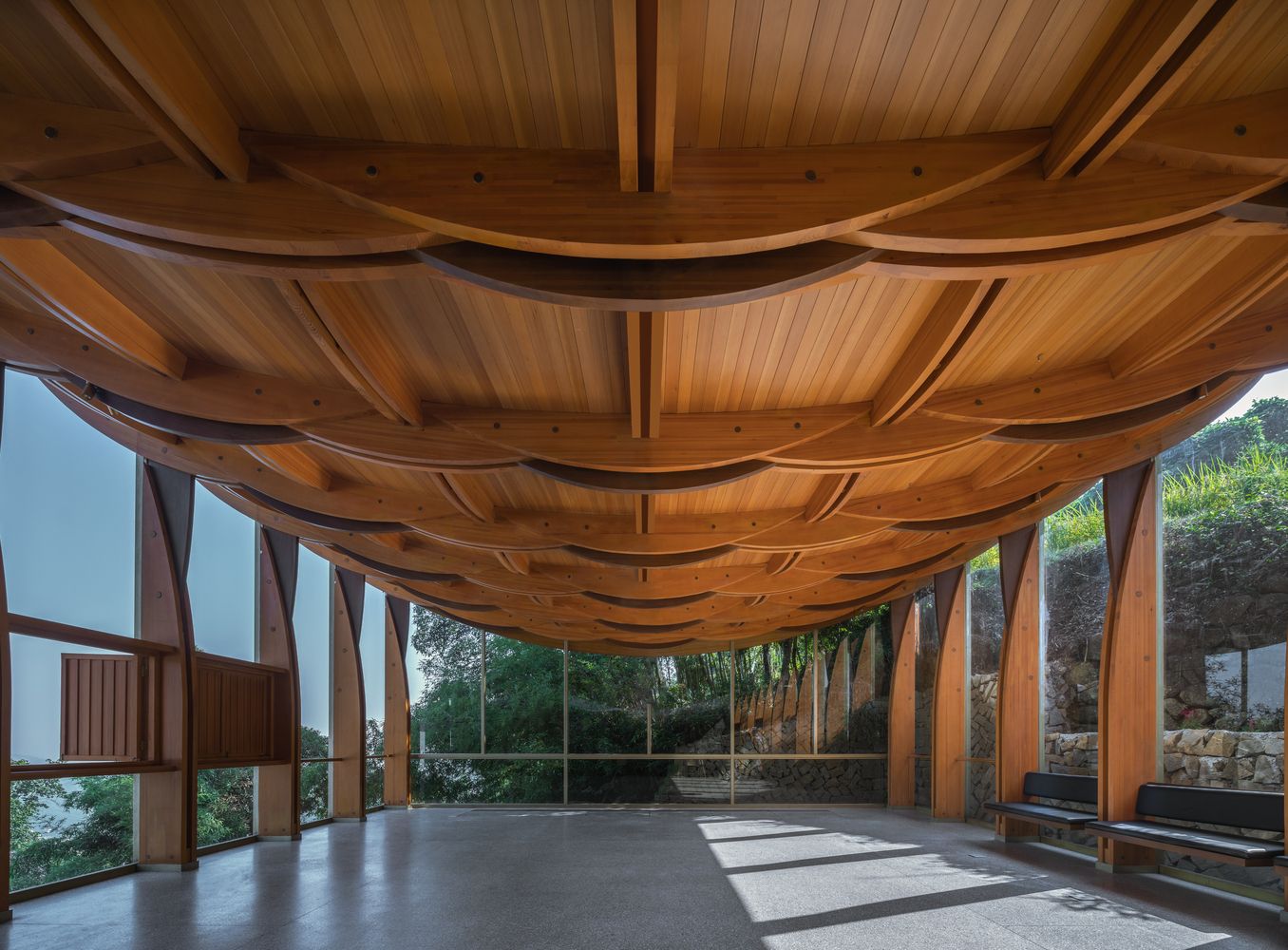
Sustainable architecture offers a wide range of benefits beyond environmental impact. For occupants, it means healthier indoor environments with improved air quality and natural lighting. For businesses, sustainable buildings often result in reduced operating costs due to energy savings and lower maintenance requirements.
Furthermore, sustainable architecture supports local economies by encouraging the use of locally sourced materials and labor. It also enhances community resilience by creating buildings that are adaptable to changing environmental conditions.
Future Trends in Sustainable Architecture
As the field continues to evolve, several trends are shaping the future of sustainable architecture. These include the integration of green roofs and walls, which provide insulation and reduce urban heat, and the development of net-zero buildings that produce as much energy as they consume.
Additionally, the concept of circular architecture, which focuses on designing buildings that can be easily disassembled and reused, is gaining traction. This approach minimizes waste and encourages a more sustainable lifecycle for building materials.

In conclusion, sustainable architecture is not just a trend but a necessary evolution in the way we design and construct our built environment. By embracing these practices, we can create healthier, more resilient communities that are well-prepared for the challenges of the future.