
Reviving Hartford: The Art of Adaptive Reuse


The Rise of Adaptive Reuse
In recent years, the concept of adaptive reuse has gained significant traction as cities around the world seek sustainable ways to breathe new life into aging structures. Hartford, a city rich in history and architectural beauty, is embracing this trend with open arms. Adaptive reuse involves repurposing old buildings for new uses, preserving their historical essence while meeting modern needs.
This approach not only conserves resources but also revitalizes neighborhoods, making cities more vibrant and economically viable. Hartford stands as a testament to how adaptive reuse can transform a community, merging the old with the new to create a dynamic urban landscape.
Preserving Historical Integrity
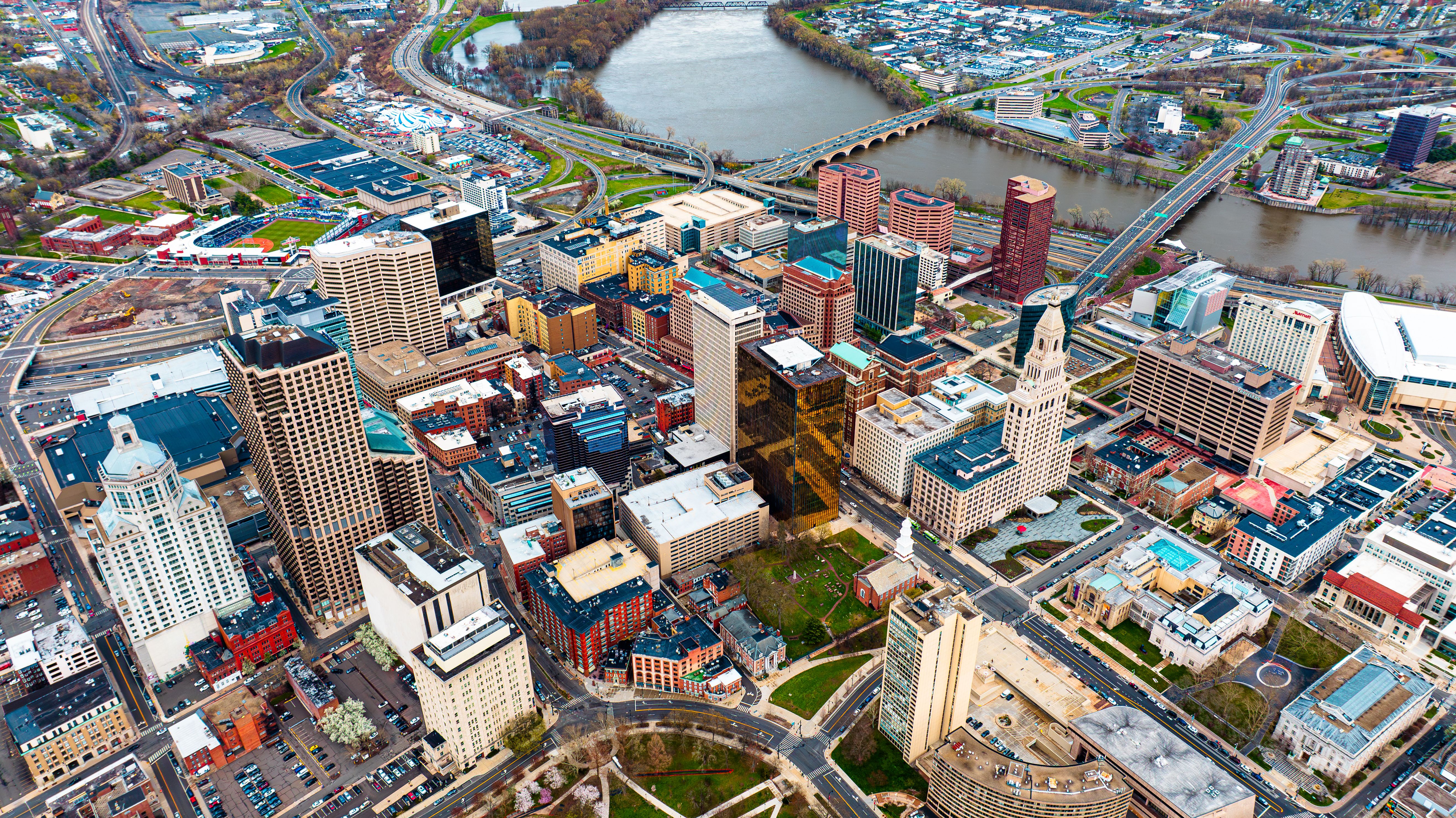
One of the key benefits of adaptive reuse is its focus on preserving the historical integrity of buildings. Many of Hartford's architectural gems, which have stood the test of time, are now being given a second chance. Structures once abandoned or underutilized are being converted into residential spaces, offices, and cultural centers.
This preservation effort not only maintains the city's unique character but also attracts tourism and business investment. By retaining the historical charm of these buildings, Hartford honors its past while paving the way for future growth.
Sustainability and Economic Growth
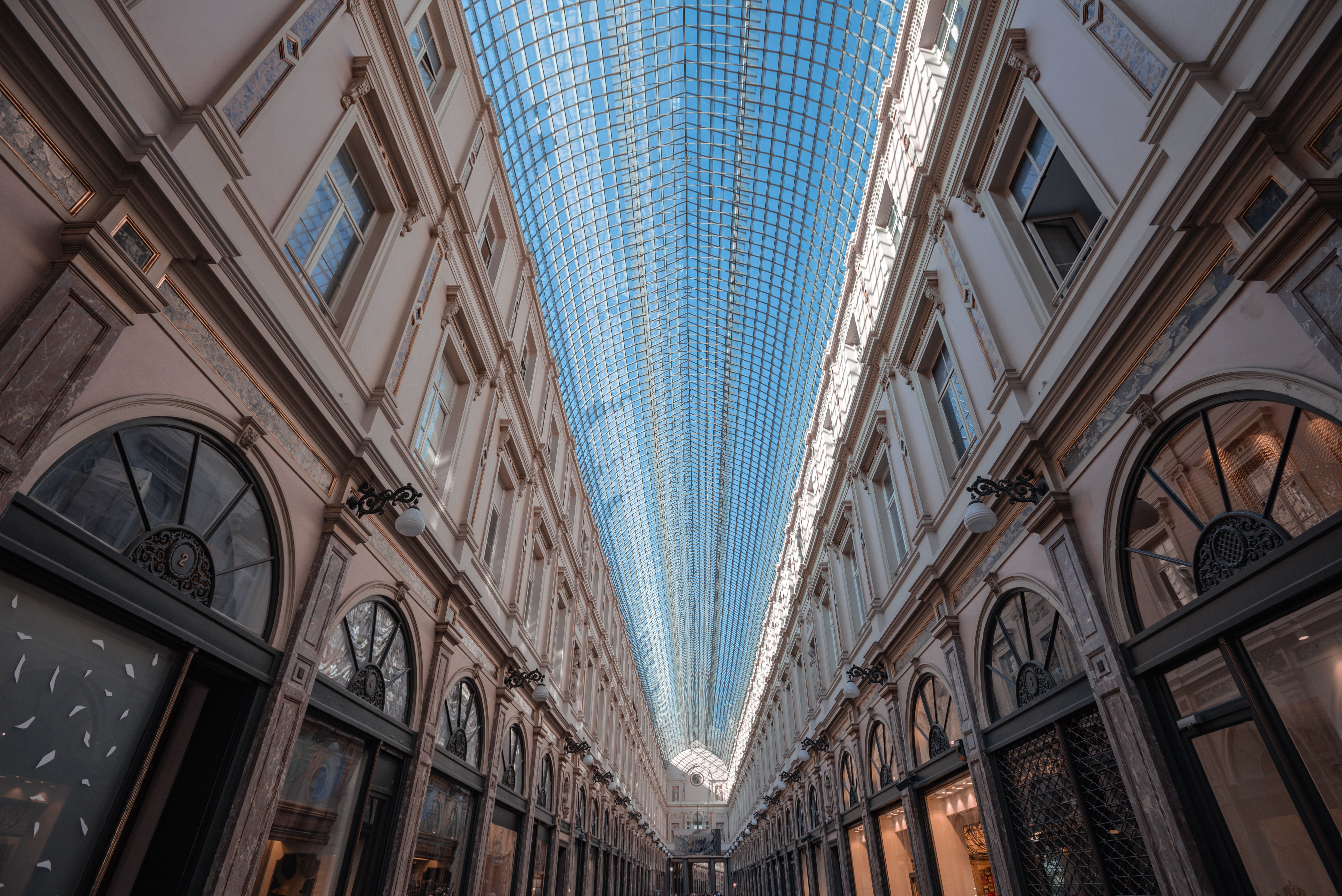
Adaptive reuse is inherently sustainable. By repurposing existing structures, there is a significant reduction in construction waste and energy consumption. This environmentally friendly approach aligns with Hartford's commitment to sustainable urban development.
Furthermore, adaptive reuse projects often stimulate local economies. They create jobs, boost property values, and encourage community engagement. This economic ripple effect contributes to a thriving city, with revitalized areas becoming hubs of activity and innovation.

Challenges and Solutions
While adaptive reuse offers many benefits, it also presents challenges. Renovating old structures to meet modern building codes and energy standards can be complex and costly. However, with the right planning and investment, these obstacles can be overcome.
Collaborative efforts between city planners, architects, and developers are essential. By pooling resources and expertise, Hartford has successfully navigated these challenges, setting an example for other cities to follow.
Successful Projects in Hartford
Hartford is home to several successful adaptive reuse projects that showcase the potential of this approach. The transformation of former industrial sites into mixed-use developments has breathed new life into once-neglected areas.
- The Colt Gateway, a former firearms factory, is now a vibrant mixed-use community.
- The American Airlines building has been transformed into modern office spaces, attracting businesses and startups.
- The G. Fox building, once a major department store, now houses apartments and retail outlets.
Future Prospects
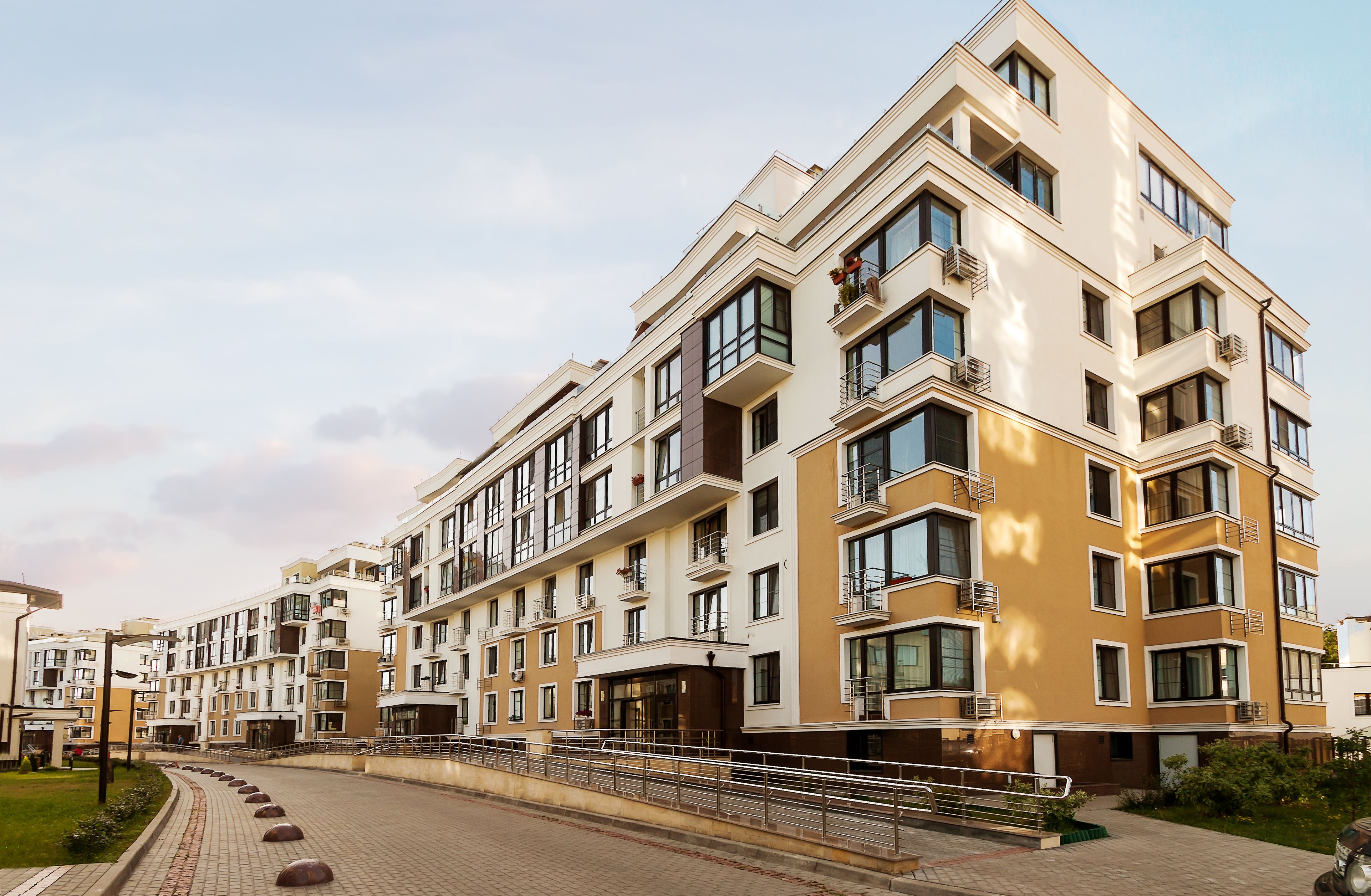
As Hartford continues to embrace adaptive reuse, the future looks promising. The city's commitment to sustainability, historical preservation, and economic growth positions it as a leader in urban revitalization. By continuing to innovate and adapt, Hartford can serve as a model for cities worldwide, demonstrating how to balance the past with the future.
In conclusion, adaptive reuse is not just about transforming buildings; it's about transforming communities. Hartford's journey is a testament to the power of creativity and collaboration in shaping a vibrant, sustainable city. As more projects come to fruition, Hartford will undoubtedly continue to thrive, honoring its rich history while embracing a bright future.