
Home Modifications for Seniors: Debunking Common Myths


Understanding Home Modifications for Seniors
As our loved ones age, ensuring they remain safe and comfortable in their own homes becomes a priority. However, there are numerous myths surrounding home modifications for seniors that can lead to confusion and hesitation. In this post, we'll debunk these myths and provide clarity on the benefits and realities of home modifications.
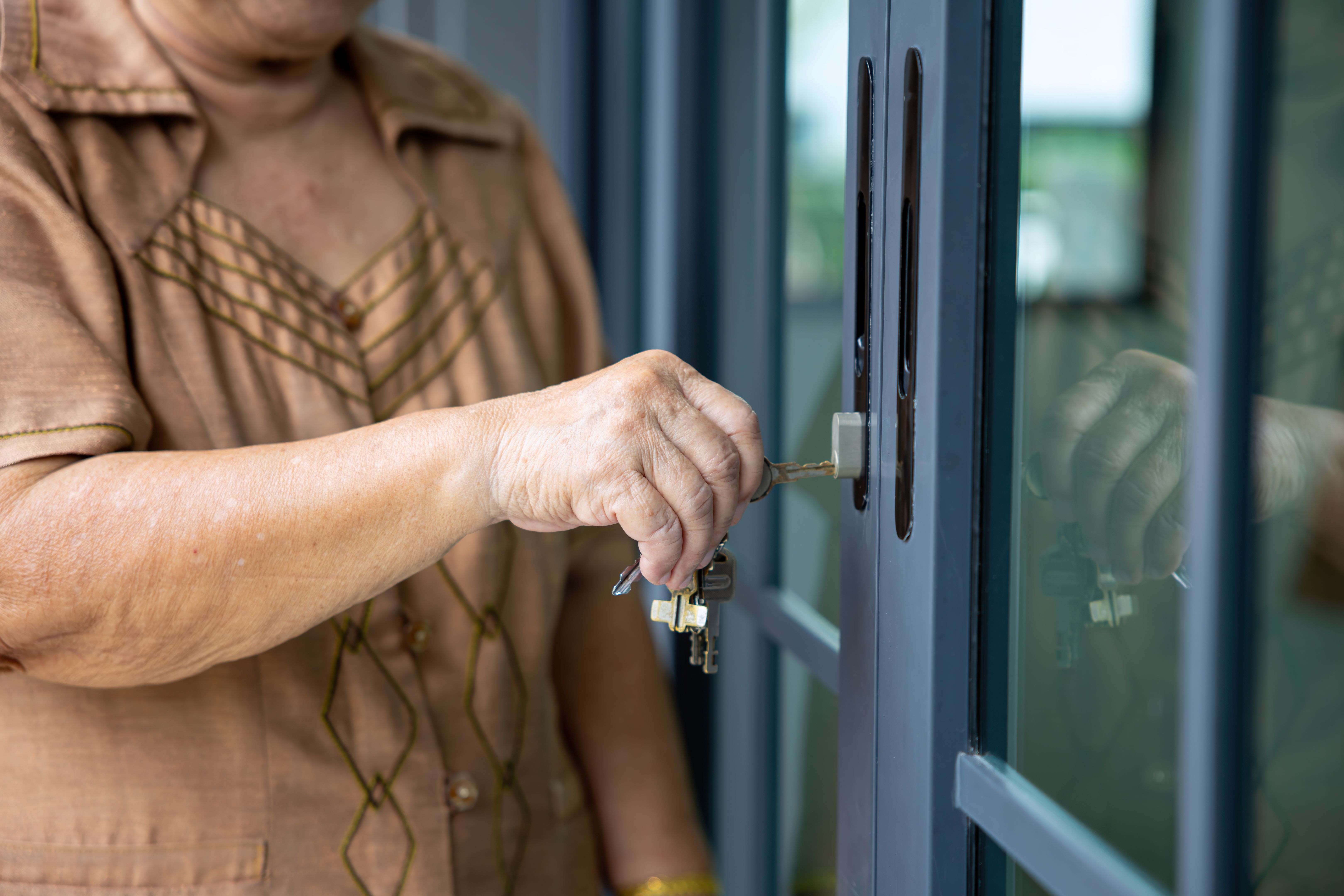
Myth 1: Home Modifications Are Too Expensive
One of the most common misconceptions is that home modifications are prohibitively expensive. While some projects can be costly, there are many affordable options available. Simple changes like installing grab bars or improving lighting can make a significant difference without breaking the bank.
Additionally, there are various grants and funding options specifically designed to assist seniors with these costs. It's essential to research and explore these opportunities to alleviate financial concerns.
Myth 2: Modifications Are Only for the Disabled
Another prevalent myth is that home modifications are only necessary for individuals with disabilities. In reality, these changes can benefit all seniors by enhancing safety and accessibility. Features such as non-slip flooring, stairlifts, and walk-in showers can prevent accidents and provide peace of mind.
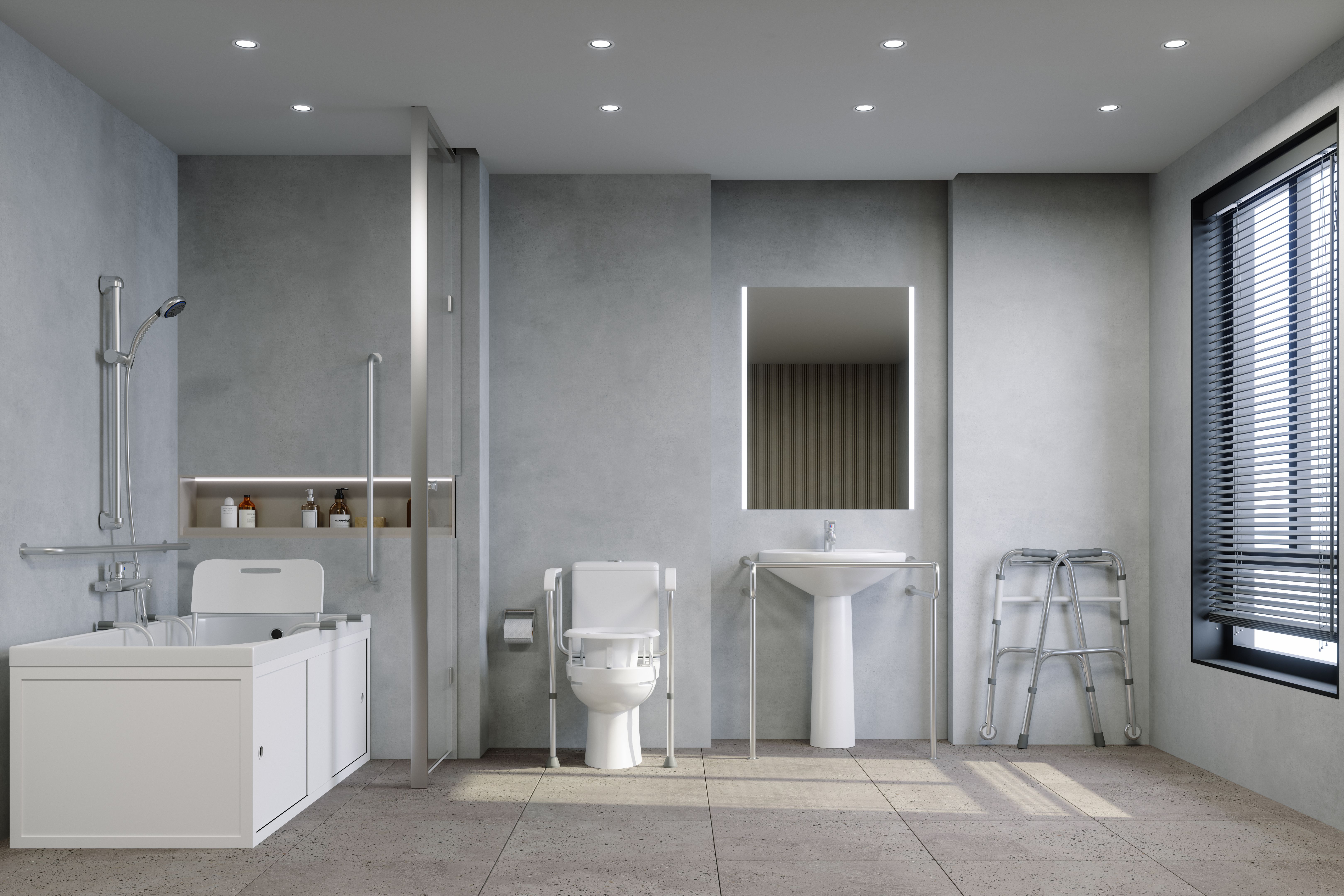
By proactively modifying the home environment, seniors can maintain their independence for longer, enjoying their golden years with confidence and ease.
Myth 3: Modifications Will Make the Home Look Institutional
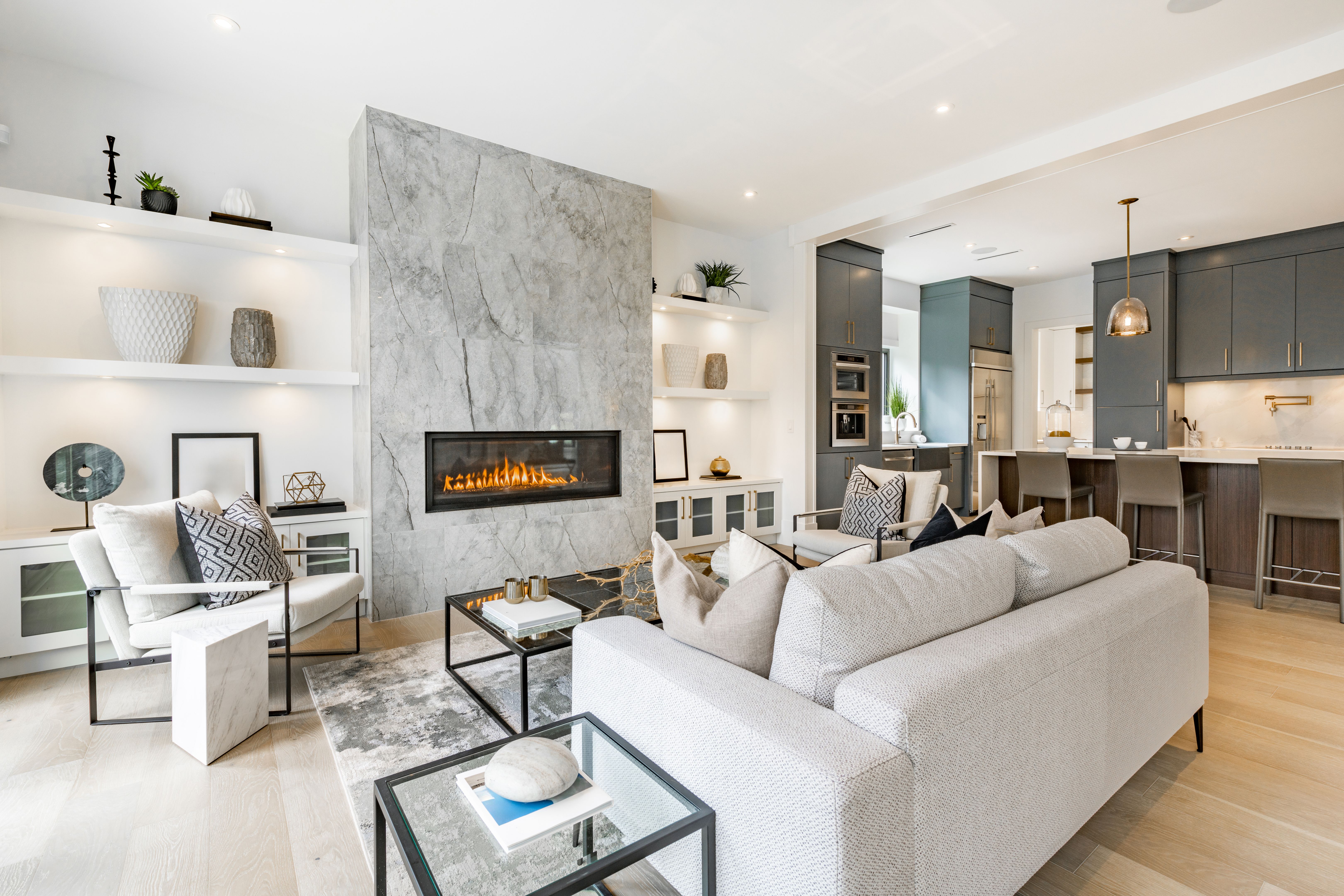
Many people worry that home modifications will make their living space resemble a hospital or nursing home. However, modern design solutions prioritize aesthetics alongside functionality. With a wide range of stylish options available, modifications can be seamlessly integrated into a home's existing decor.
From sleek handrails to elegant bathroom fixtures, it's possible to create a safe environment that also reflects personal style and taste.
Myth 4: Only Major Renovations Matter
It's a common belief that only significant renovations will have an impact, but small changes can be equally effective. Simple adjustments like lowering countertops, widening doorways, and rearranging furniture can greatly enhance accessibility.
- Repositioning electrical outlets for easier reach.
- Installing lever-style door handles.
- Adding motion-sensor lighting.
These minor modifications can contribute significantly to a safer and more comfortable living environment.
The Importance of Professional Guidance
When considering home modifications, consulting with professionals is crucial. Occupational therapists, interior designers, and contractors specializing in senior living can provide invaluable insights and solutions tailored to individual needs.
Their expertise ensures that modifications are not only effective but also aligned with the latest safety standards and design trends.

In conclusion, home modifications for seniors are a vital step in promoting independence and safety. By debunking these common myths, we hope to encourage more families to explore these options and create supportive environments for their aging loved ones.