
Essential Home Modifications for Senior Independence


Creating a Safe and Accessible Environment
As our loved ones age, ensuring their home is a safe and accessible environment becomes a priority. By making essential modifications, seniors can maintain their independence and continue living comfortably in their own homes. These changes can range from simple adjustments to more significant renovations, all aimed at enhancing safety and convenience.
Improving Mobility with Ramps and Handrails
One of the first modifications to consider is improving mobility with ramps and handrails. Installing ramps at entrances can eliminate the need for steps, making it easier for seniors using wheelchairs or walkers to enter and exit the home. Handrails along hallways and staircases provide additional support, reducing the risk of falls.
Handrails should be sturdy and installed at a height that is comfortable for the person using them. It's also beneficial to have them in key areas like bathrooms and bedrooms where stability is essential.
Enhancing Bathroom Safety
Bathrooms can be particularly hazardous, but with a few adjustments, they can become much safer. Consider installing grab bars near the toilet and inside the shower or bathtub. These bars offer extra support and can prevent slips and falls. Non-slip mats in the shower and bath areas are also crucial for preventing accidents.
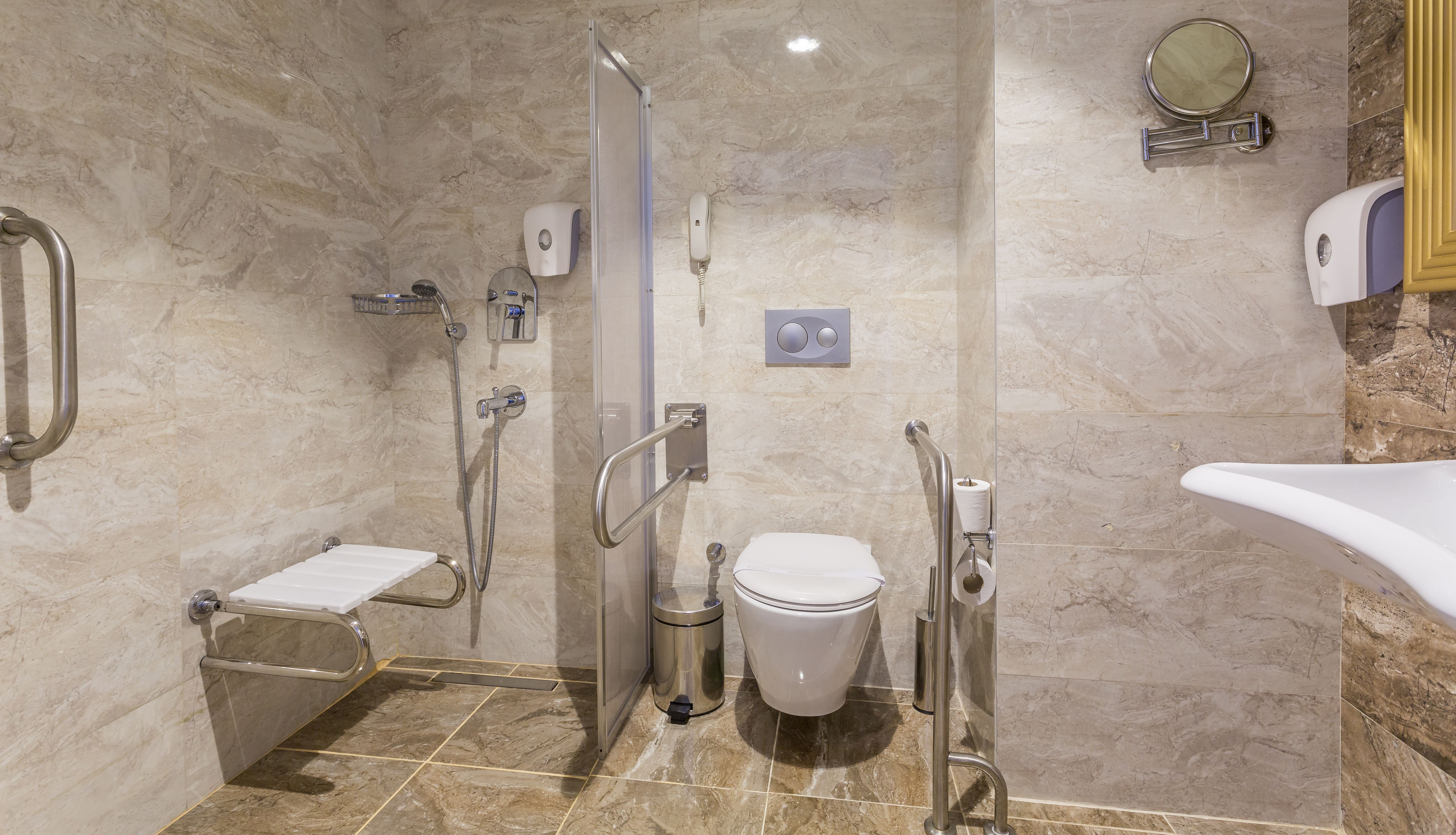
Another essential modification is the addition of a walk-in bathtub or a shower with a low threshold. These options eliminate the need to step over high edges, significantly reducing the risk of tripping.
Improving Lighting and Visibility
Proper lighting is crucial for senior safety. Ensure all areas of the home are well-lit, particularly staircases, hallways, and entryways. Consider using motion-sensor lights that automatically turn on when someone enters a room, providing instant illumination without the need to search for a switch.
Also, use brighter bulbs and task lighting in places like the kitchen and living room to enhance visibility. Strategically placing nightlights in bedrooms and bathrooms can guide seniors safely during the night.
Adjusting Kitchen Layout
The kitchen is another area where modifications can promote independence. Lowering countertops and cabinets can make it easier for seniors to reach essential items. Installing pull-out shelves and lazy Susans in cabinets can also make accessing kitchenware more convenient.
Consider replacing traditional knobs with lever-style handles, which are easier to grip and turn. These small changes can make a significant difference in daily kitchen activities.
Smart Home Technology
Integrating smart home technology can further enhance senior independence. Voice-activated assistants can help with reminders, control lighting, and even adjust thermostats. Smart doorbells and security systems provide peace of mind by allowing seniors to see who is at the door without needing to open it.
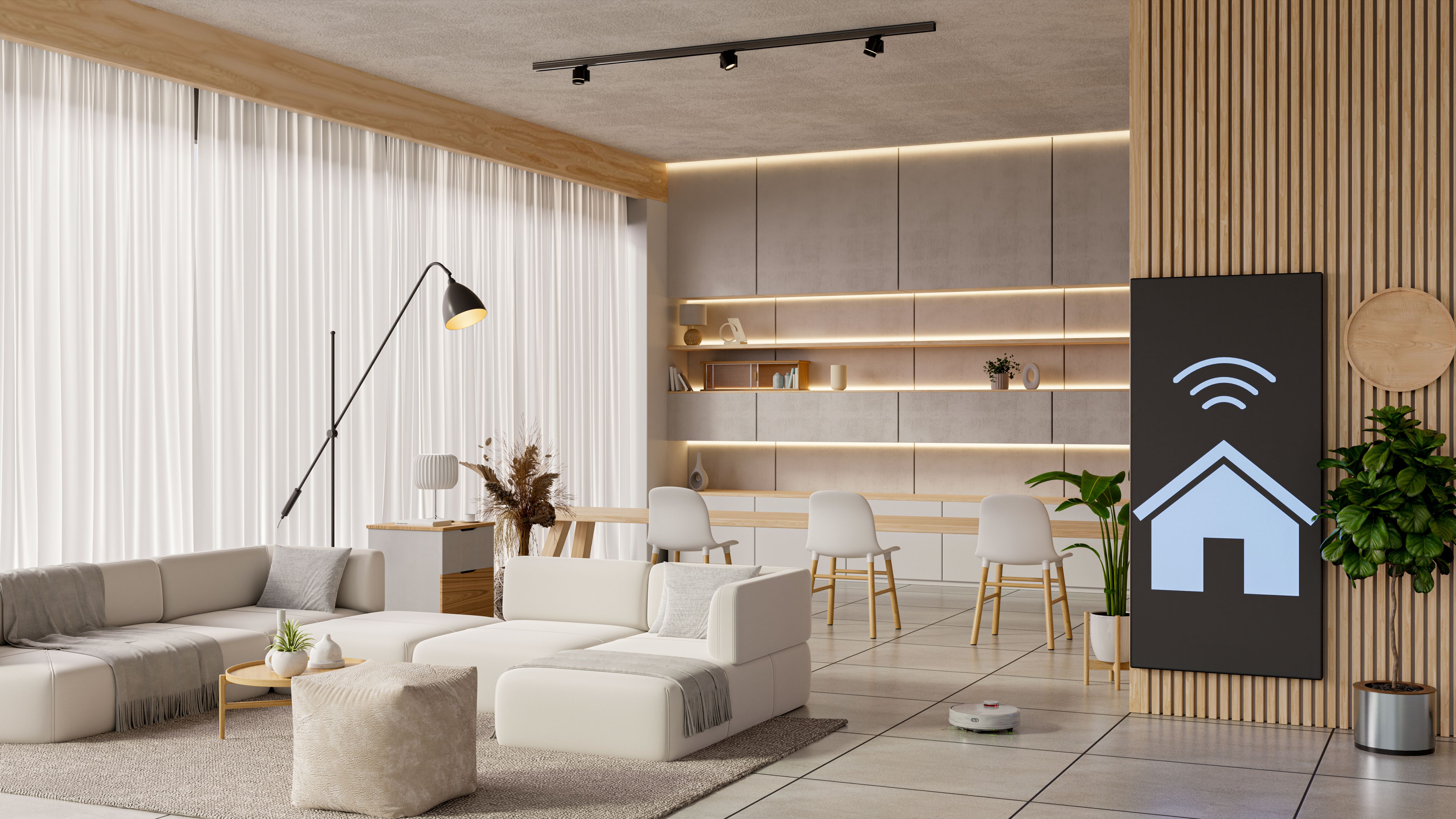
These technologies are often easy to use and can be customized to meet individual needs, offering an extra layer of safety and convenience.
Conclusion
By implementing these essential home modifications, you can create a secure and accessible living space that allows seniors to maintain their independence. Whether it's through structural changes or the addition of smart technology, these adjustments can greatly enhance the quality of life for seniors, allowing them to enjoy their homes safely and comfortably.