
Creating an Accessible Home in Hartford, CT: The Ultimate Guide


Creating an accessible home ensures that everyone, regardless of physical ability, can enjoy and navigate their living space comfortably. In Hartford, CT, where historic homes and modern living intersect, making these adaptations is both a practical and thoughtful decision.
Understanding Accessibility Needs
Before making any changes, it’s crucial to understand the specific needs of the individuals living in the home. Accessibility can mean different things to different people, depending on their physical challenges. Whether it’s wheelchair access, vision impairment, or other mobility issues, pinpointing these needs is the first step.
Consider consulting with an occupational therapist or an accessibility expert who can offer personalized recommendations. This professional guidance ensures that any modifications are both effective and future-proof, accommodating changing needs over time.
Entryway Modifications
The entryway is the first point of contact with a home and should be easily navigable. Here are some modifications to consider:
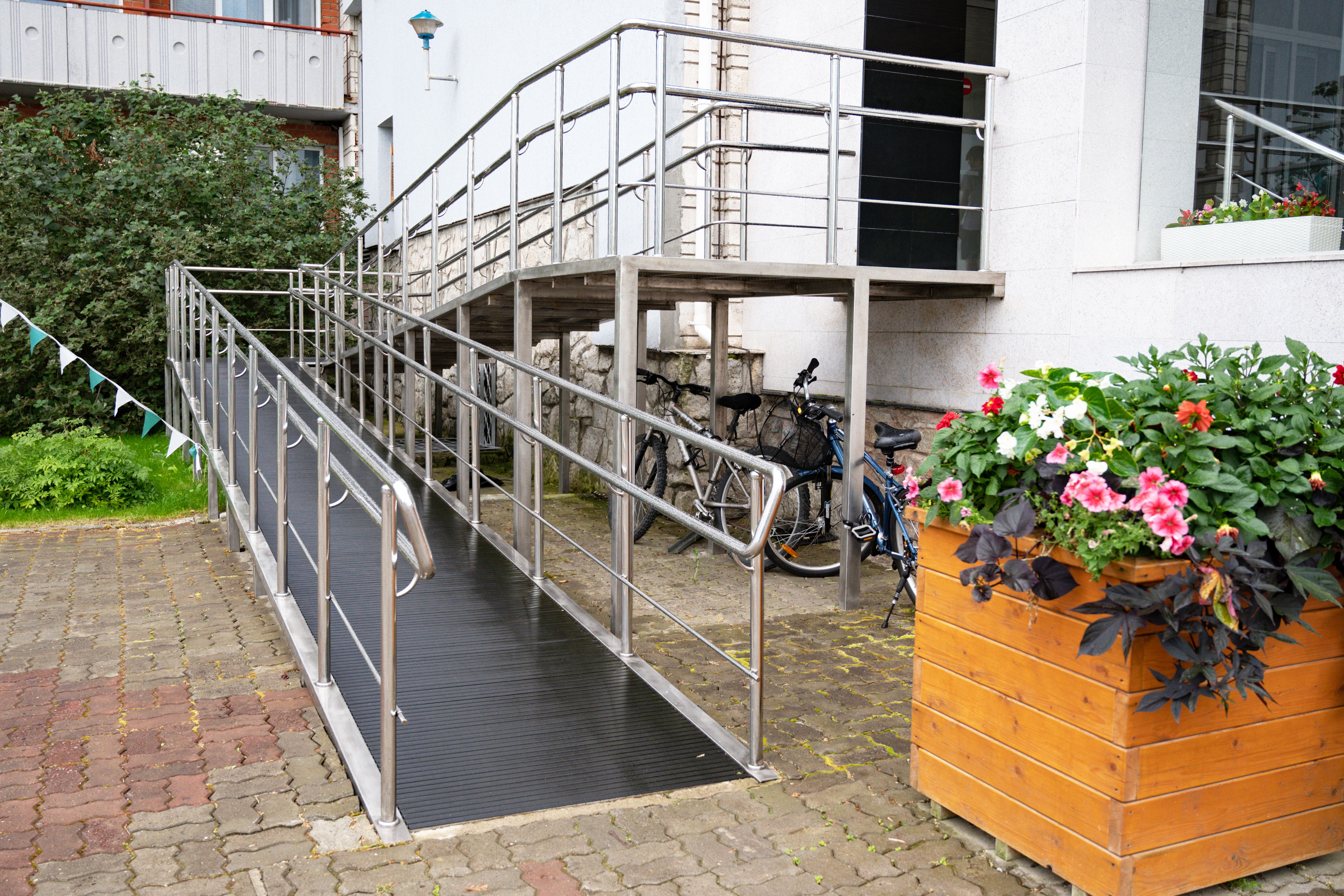
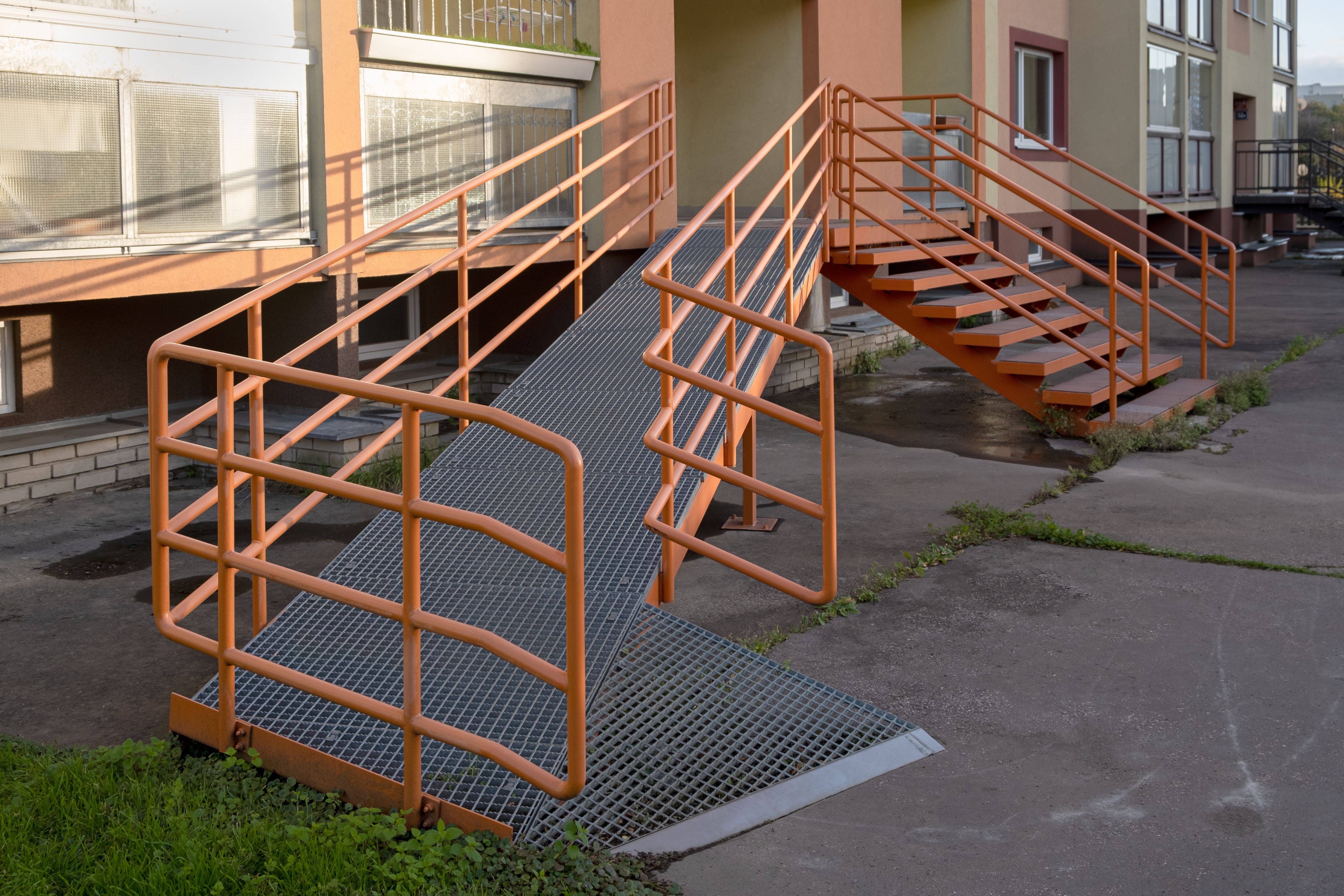
- Install a ramp with a gentle slope for wheelchair access.
- Ensure doorways are at least 32 inches wide to accommodate wheelchairs and walkers.
- Use lever-style door handles instead of knobs for easier access.
Interior Adjustments
Once inside, the layout of the home should facilitate easy movement and daily living activities. Open floor plans can help, but there are other specific adjustments to consider.
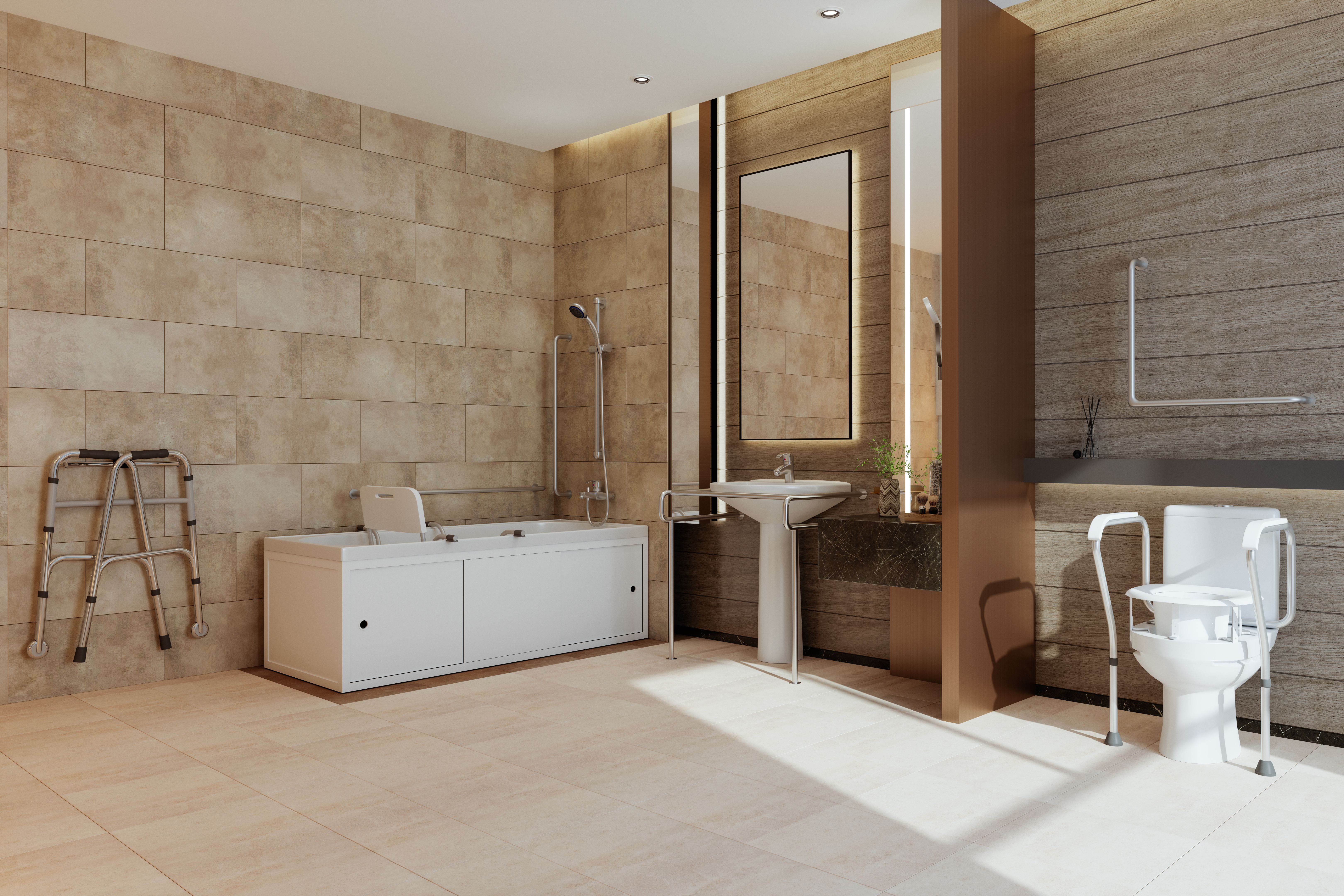
For instance, lowering countertops and sinks in kitchens and bathrooms can make these spaces more usable. Additionally, installing grab bars and non-slip flooring in bathrooms can prevent accidents. Smart home technology, like voice-activated lights and thermostats, can also significantly enhance accessibility.
Furniture and Layout
Arranging furniture thoughtfully can make a big difference. Keep pathways clear and wide enough for easy movement. Opt for furniture pieces with rounded edges to prevent injuries and consider adjustable furniture that can cater to specific needs.
Lighting and Visibility
Proper lighting is essential for anyone with visual impairments. Use bright, evenly distributed lighting throughout the home. Motion-activated lights can be a practical addition to hallways and entryways.
For those with vision challenges, high-contrast colors on walls and floors can help in distinguishing different areas of a room. Additionally, tactile markers on appliances and switches can be beneficial.
Outdoor Spaces
Accessibility shouldn't stop at the home's door. Consider the following for outdoor spaces:
- Level paths and driveways to prevent tripping hazards.
- Install railings along steps and ramps for added support.
- Create raised garden beds for easy access to gardening activities.

Local Resources and Support
Hartford offers a variety of resources to assist in creating an accessible home. Local government programs and nonprofits may provide financial assistance or advice on modifications. It’s worth exploring these options to help offset costs and ensure compliance with local regulations.
In summary, creating an accessible home in Hartford, CT, involves careful planning and consideration of individual needs. By making thoughtful modifications, you can create a welcoming environment that enhances independence and quality of life for all residents.